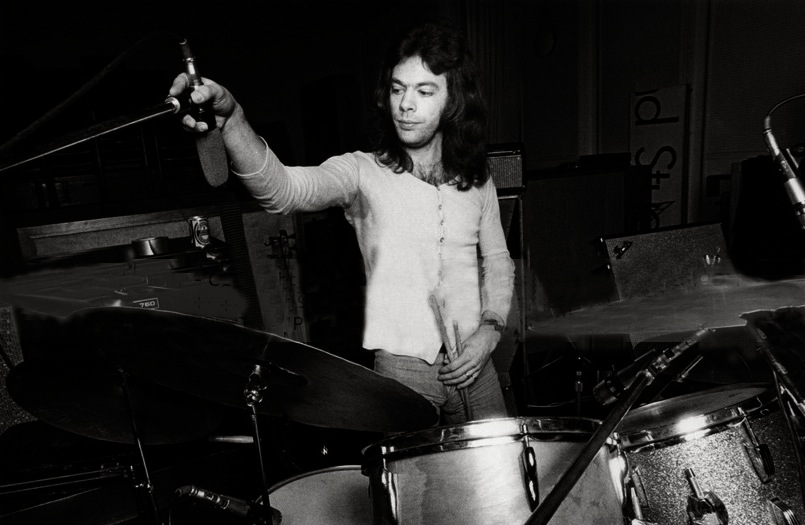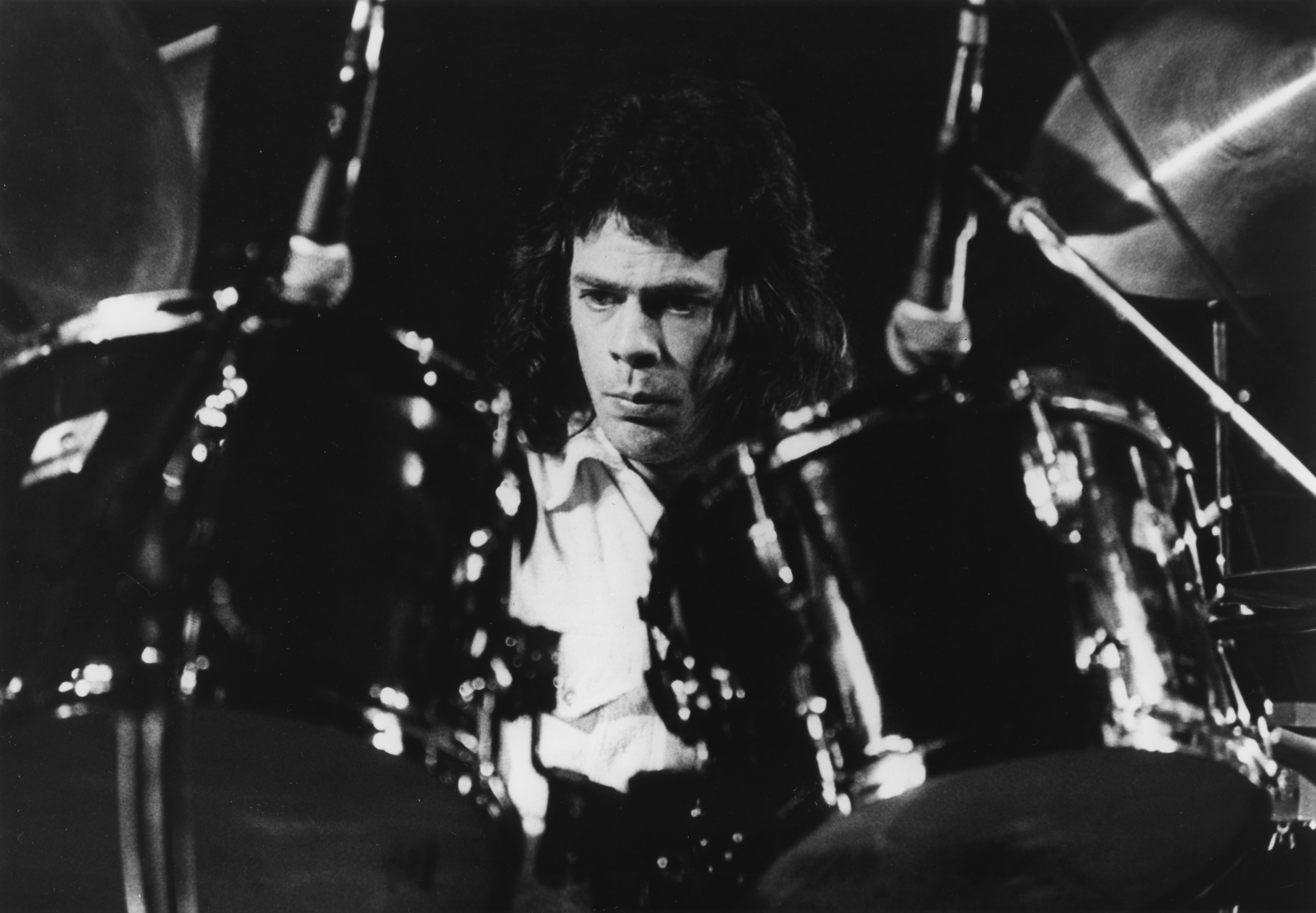
Bob Siebenberg (aka Bob C. Benberg) was born on October 31, 1949, in Glendale, California. His mother was a saloon singer and his father was a fan of Dixieland jazz bands.
Growing up, Bob's life revolved around baseball, surfing, and music. In the fourth grade he enrolled in the school orchestra to play snare drum. At 12, he joined a band with two of his older brother's friends. Captivated by the surf music of Dick Dale and the Del-Tones, The Expressions initially played in that style, but evolved into a blues band. They played at parties, weddings, dances, and eventually some Hollywood clubs.
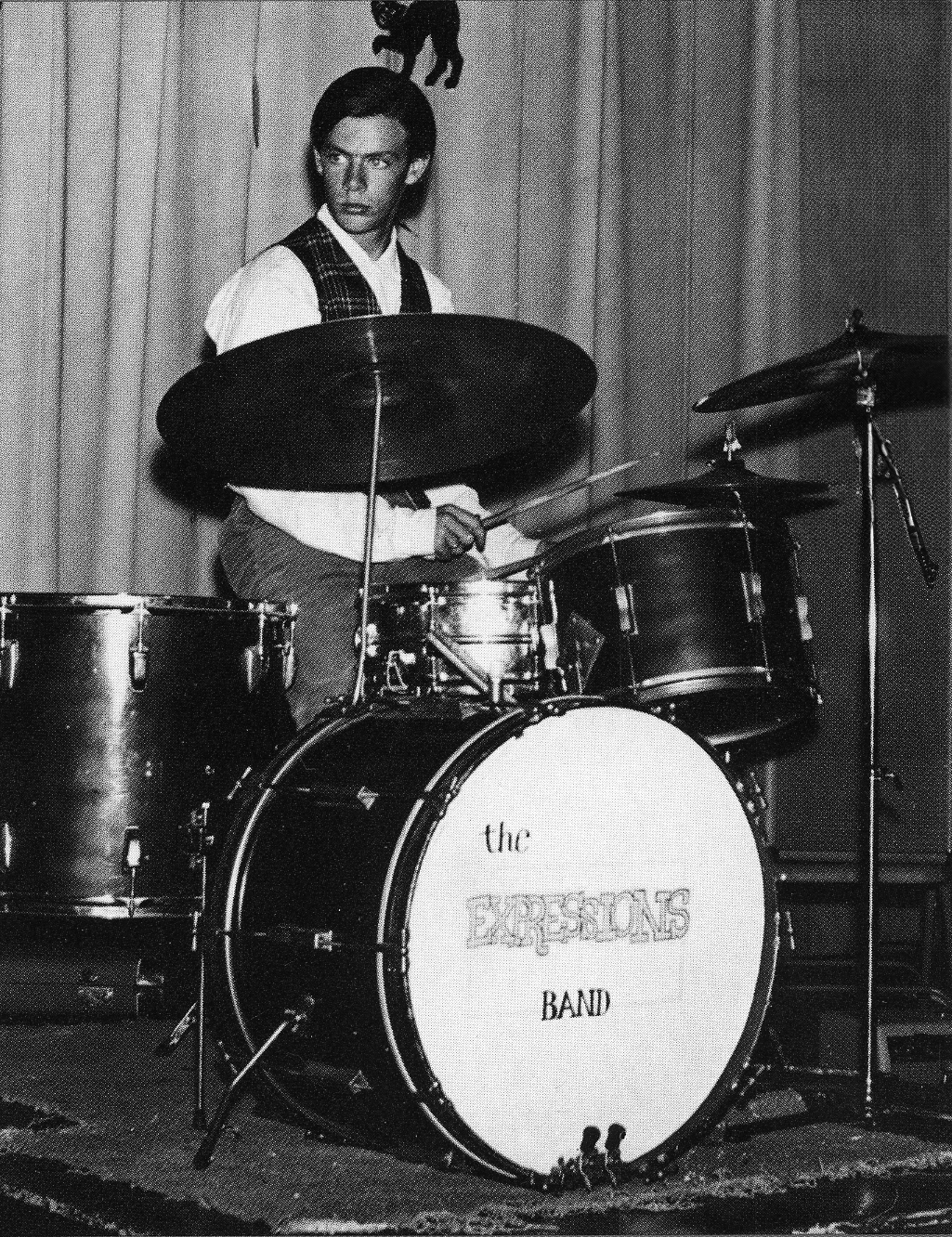
After The Expressions disbanded in June 1966, Bob went on to drum in a succession of bands, the first being The Lost Souls. They played regularly in the clubs on Sunset Strip, mostly English versions of American blues tunes. By this time Bob was a senior in high school, still playing on the baseball team, still surfing.
"Travelling around in a band, going to school, and surfing just turned into a routine way of life," he recalled. "My grandfather, with whom I lived, didn't object, and my dad liked that I played music. So I had no strings. I was free." The Lost Souls was short-lived, and in the fall of 1966 he joined The Ilford Subway. Scott Gorham, later to be a guitarist in Thin Lizzy, was the bassist. He remains Bob's closest friend to this day. "We shared an insistence to be unchained to anything," Bob recalled. The band rehearsed a lot, but didn't play many gigs. They did, however, record a single with The Byrds' producer Terry Melcher before disbanding in August 1968. Several more bands followed, but Bob became increasingly frustrated with the LA music scene. England, the land of his heroes, beckoned.
A month later, Bob flew to London with his suitcase and drum kit. He was on a student visa and attended the Eric Guilder School of Music to study piano, flute, and sax. That summer, after reading an ad in Melody Maker, Bob met up with the musicians who were to become the influential pub rock band Bees Make Honey. They played five or six nights a week in pubs and universities throughout the UK and Ireland, and Bob recorded the album Music Every Night with them.
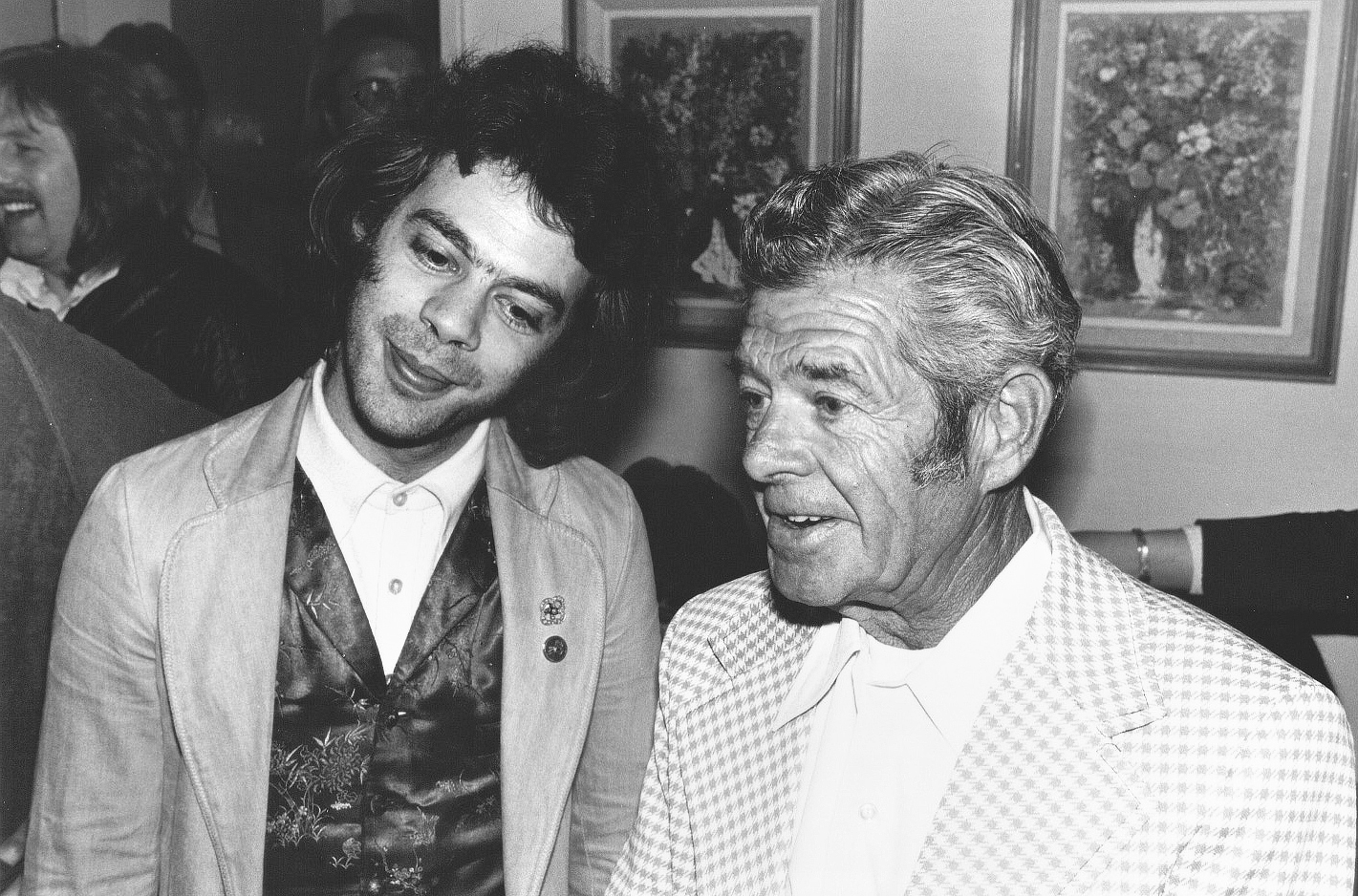
In the spring of 1973, Bees Make Honey was cult favourite Frankie Miller's back-up band on the tour for his first album, and opened for Supertramp at several gigs. Before one of those shows, Bob was playing darts at a nearby pub when Rick Davies and Dougie Thomson showed up. This was his first encounter with his future bandmates. Soon afterwards, Rick and Roger Hodgson approached him while he was packing up his drums after a gig at The Kensington pub. They told him they were looking for a new drummer, and invited him to come by to jam. It went well, and by June Bob had left Bees Make Honey and thrown in his lot with Supertramp.
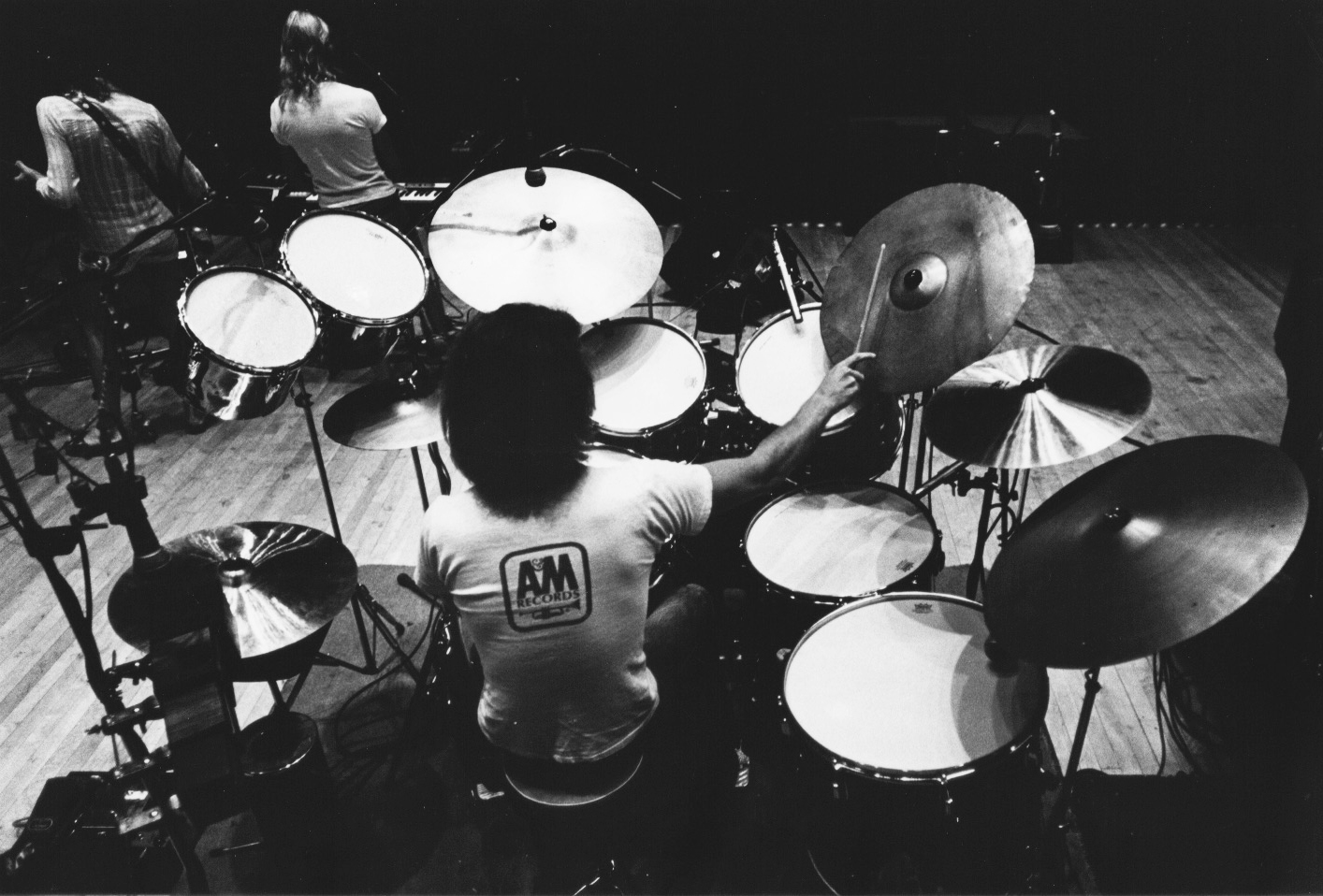
Within months the band recorded the single "Land Ho," and in February 1974 began recording Crime of the Century. It took producer Ken Scott the better part of two days to get Bob's drum sound just right. This became the band's foundation on record and in concert. Over the next almost four decades of recording and performing, Bob had, in his words, "the best seat in the house." From 1997 through the band's last tour in 2011, Bob had the great pleasure of sharing the stage with his son, Jesse.
Bob's father had been his coach when he played Little League Baseball. He, in turn, coached Jesse, and then moved on to coaching the Yosemite High School junior varsity team. Now, almost 40 years later, he is the head coach of the varsity team. A few of his players have gone on to play in college and a couple made it to the major leagues. "I was lucky to find my connection to baseball again, to make a difference in these young lives." he said. "It makes me feel like I'm spending my time in a meaningful way."
Bob has recorded three solo albums: Giants in Our Own Room (1985), The Long Shot (1989), and Glendale River (2015). He continues to play occasionally with Todd Hannigan & The Heavy 29s, and still surfs at his favourite spot in Mexico.