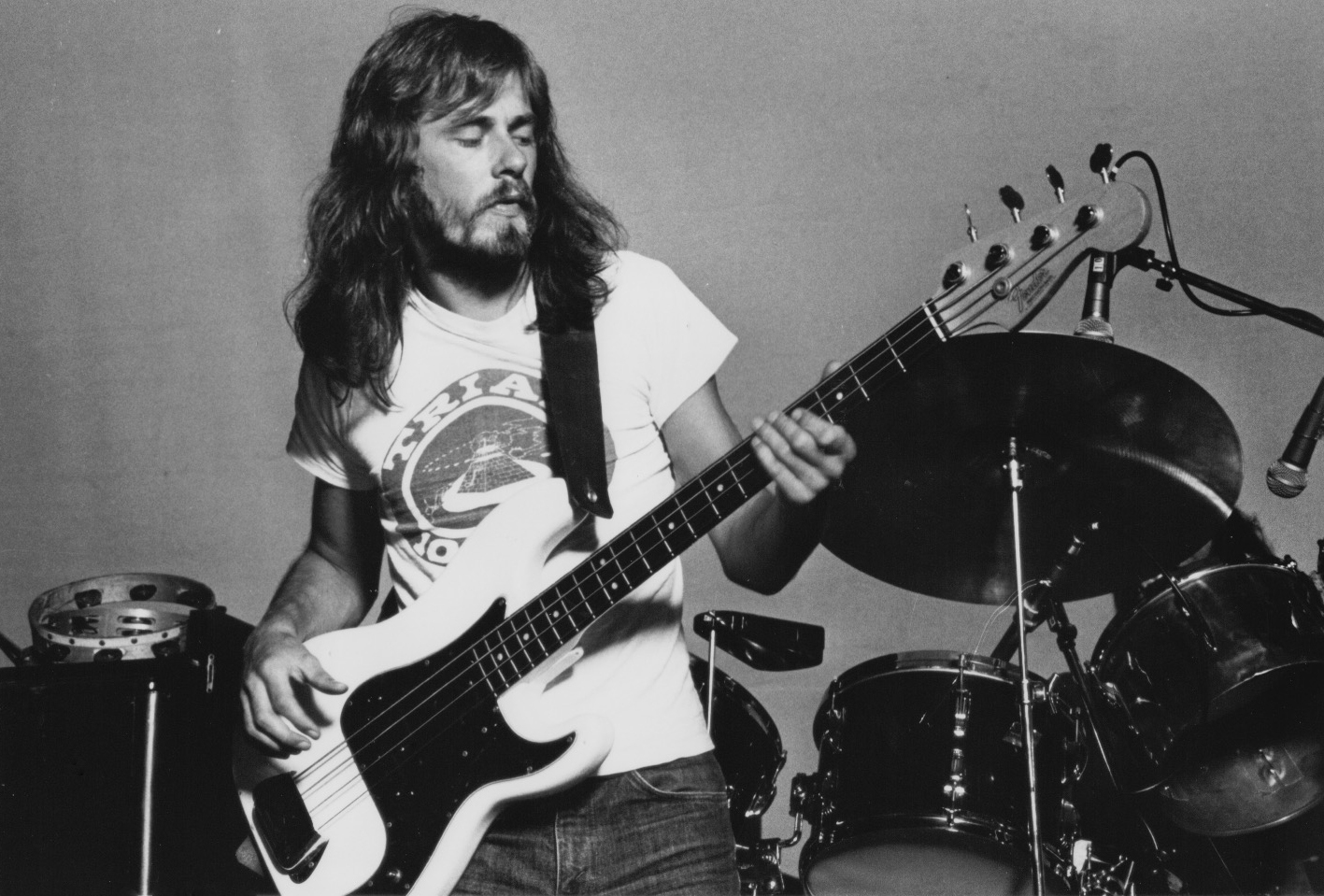
Dougie Thomson, the lean, energetic bass player who helped define Supertramp's sound, was born on March 24, 1951. He grew up in the tough industrial environment of Glasgow, Scotland, where he had aspirations of studying architecture or following in his father's footsteps as a navigator in the Royal Navy. But the allure of a music career won out.
Dougie began playing guitar as a teenager, but soon switched to bass for practical reasons. He wanted to join a folk band at school, but they already had three guitarists. Bass players were in demand. Dougie's first bass was a pink Fender Jazz model he acquired, he said, for a steal. He spent days sanding down the body before giving it a fresh varnish finish.
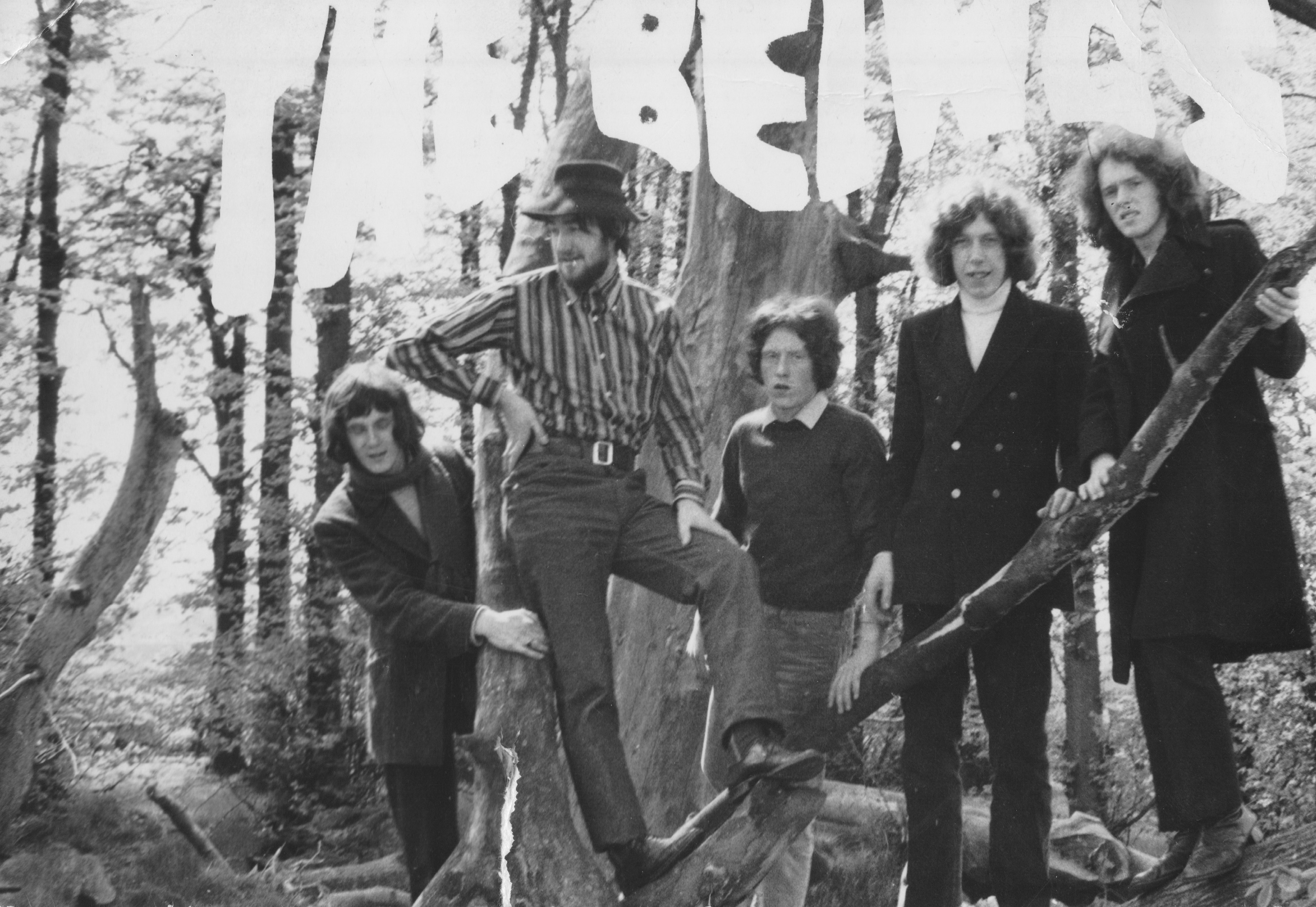
By 1969, he was ready to join his first "serious" band, The Beings. He paid his dues, playing in pubs and small venues while developing a bass style that people described as tight and groovy. After what he remembered as a care-free period abroad, playing on the rough Frankfurt club circuit, he was ready for the next move.
Dougie made the hope-filled migration to London in 1971, along with other Scottish acts such as the Average White Band, Stone the Crows, and Frankie Miller. He would recall those early London days as "soul destroying," but he eventually joined the popular Alan Bown Set, where he met John Anthony Helliwell. When that band broke up six months later, it was back to scanning the classified ads in Melody Maker.
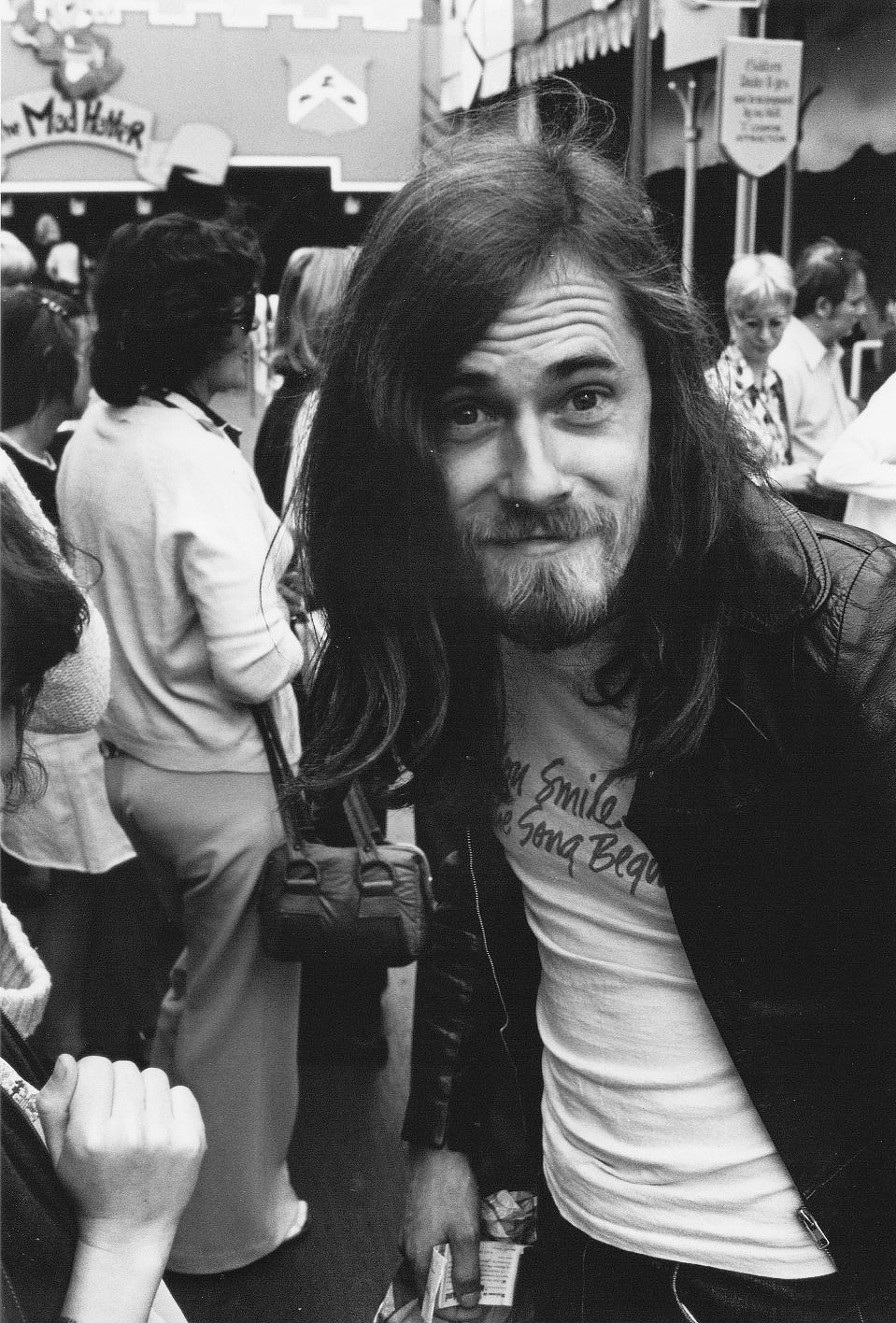
Dougie first heard about Supertramp from his brother Kenny, who had the first Supertramp album and raved to him about it. Some time later, in early 1972, Dougie went to an Islington pub where Rick and Roger were half-heartedly auditioning bassists. He plugged in and jammed for a few minutes, and left the pub thinking that was that. But Roger called him a few days later, inviting him back to hear some new songs, including "Rudy" and "Bloody Well Right." Musically, they clicked.
"We all found we had the same sort of influences, the same sort of direction, so it was really good," Dougie told Melody Maker in 1975. "When I joined, the group was going through a transitional period. Rick and Roger were developing as writers and their development had outgrown the sort of gig-to-gig survival basis that the band was in, so we decided to knock it on the head and start all over again from scratch."
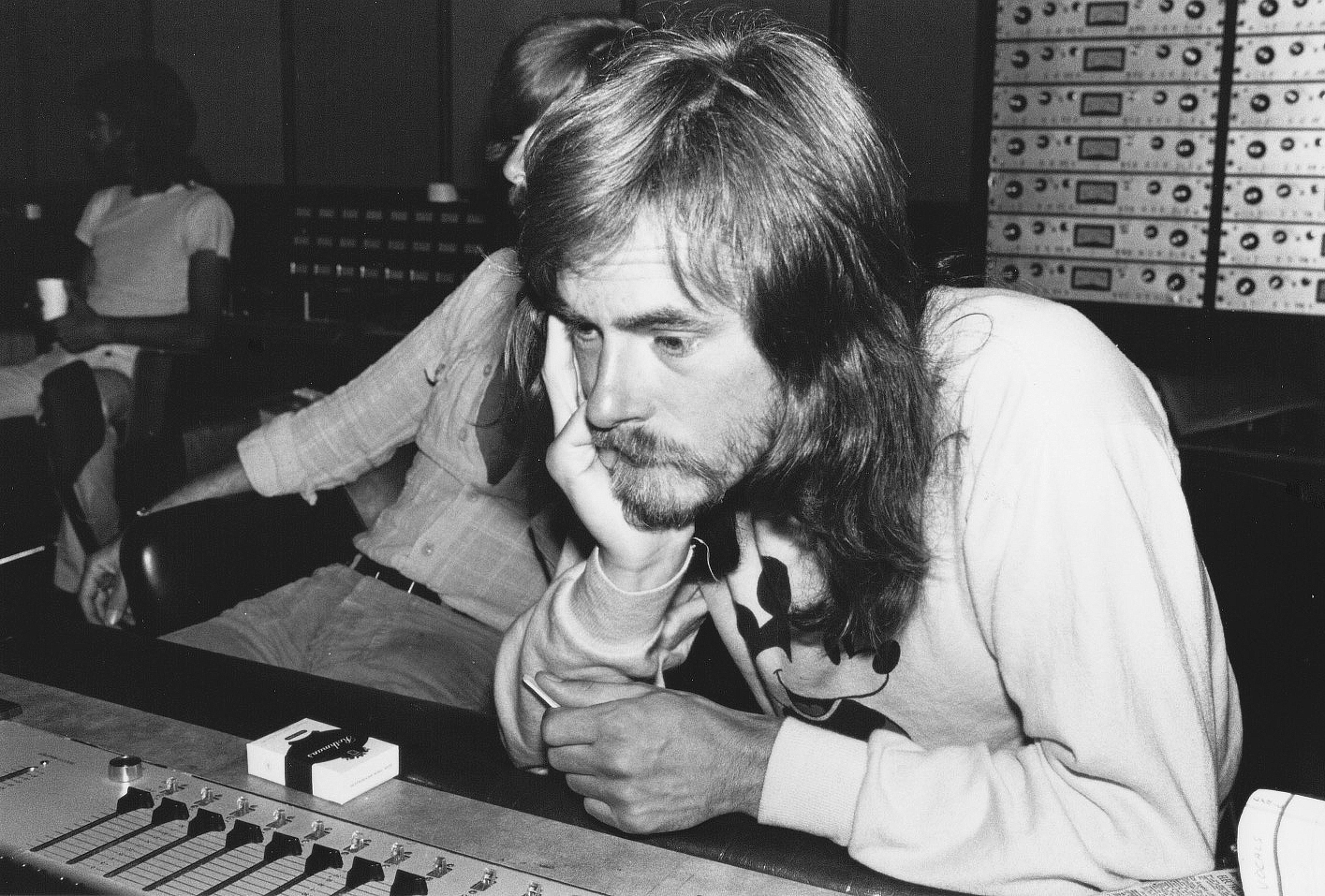
Dougie invited his former Alan Bown Set bandmate John Helliwell to come by for a blow with the band. The resulting chemistry added another distinct, new voice to the rapidly evolving Supertramp sound.
Rick's and Roger's sophisticated songwriting styles inspired Dougie to expand his approach to his instrument. "Before, it was very much a rhythm section thing, getting tight with the drummer, and that would be it," he said at the time. "Now I'm aware of everything that's going on and trying to play to that. I'm more aware of what's right for the song rather than what I feel about playing."
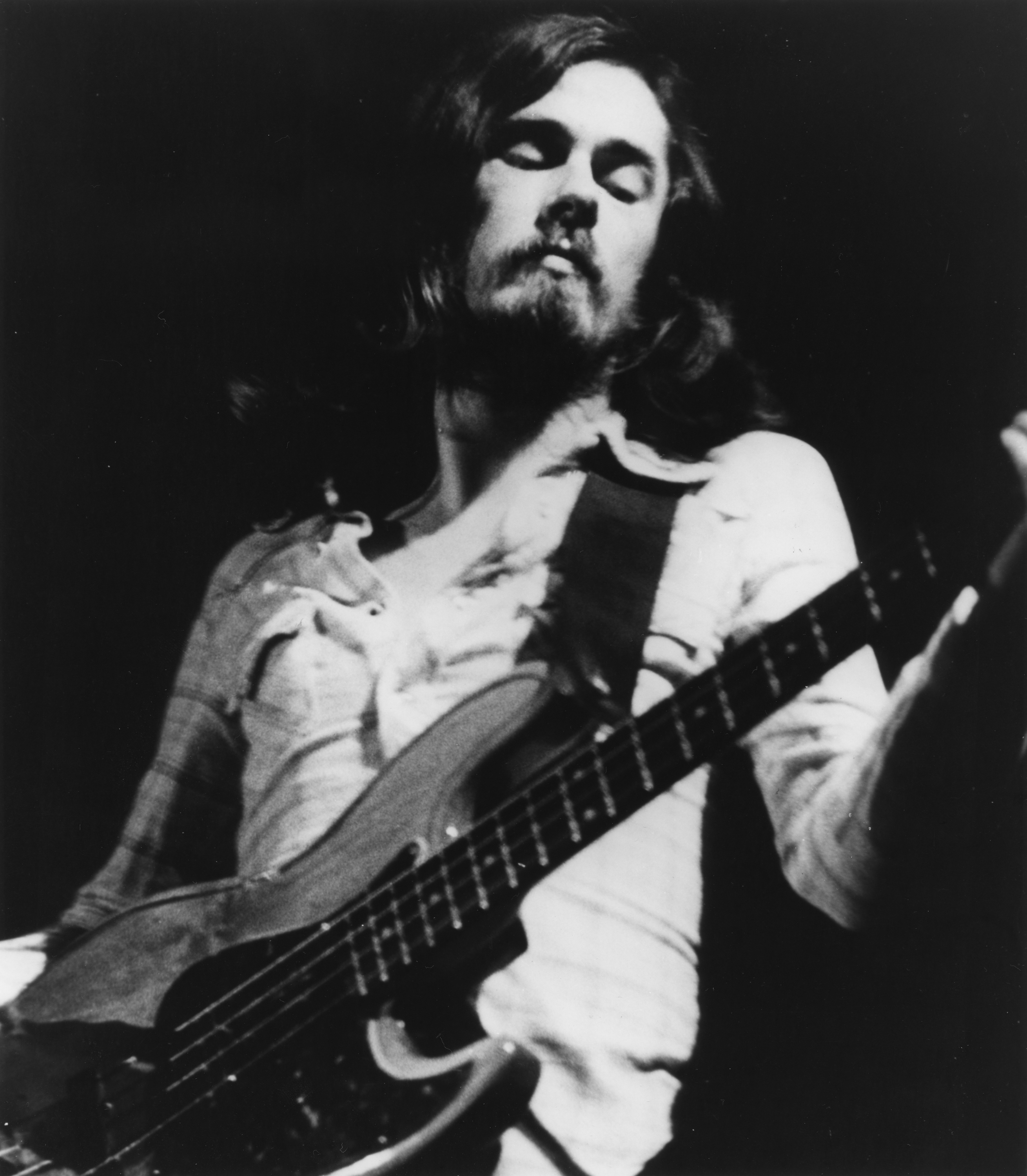
Dougie also had a knack for the business side of music. He took an active hand in managing Supertramp in the early days. His dealings with A&M Records on behalf of the band brought them to the attention of Dave Margereson, who would take them under his wing and prove crucial to their success.
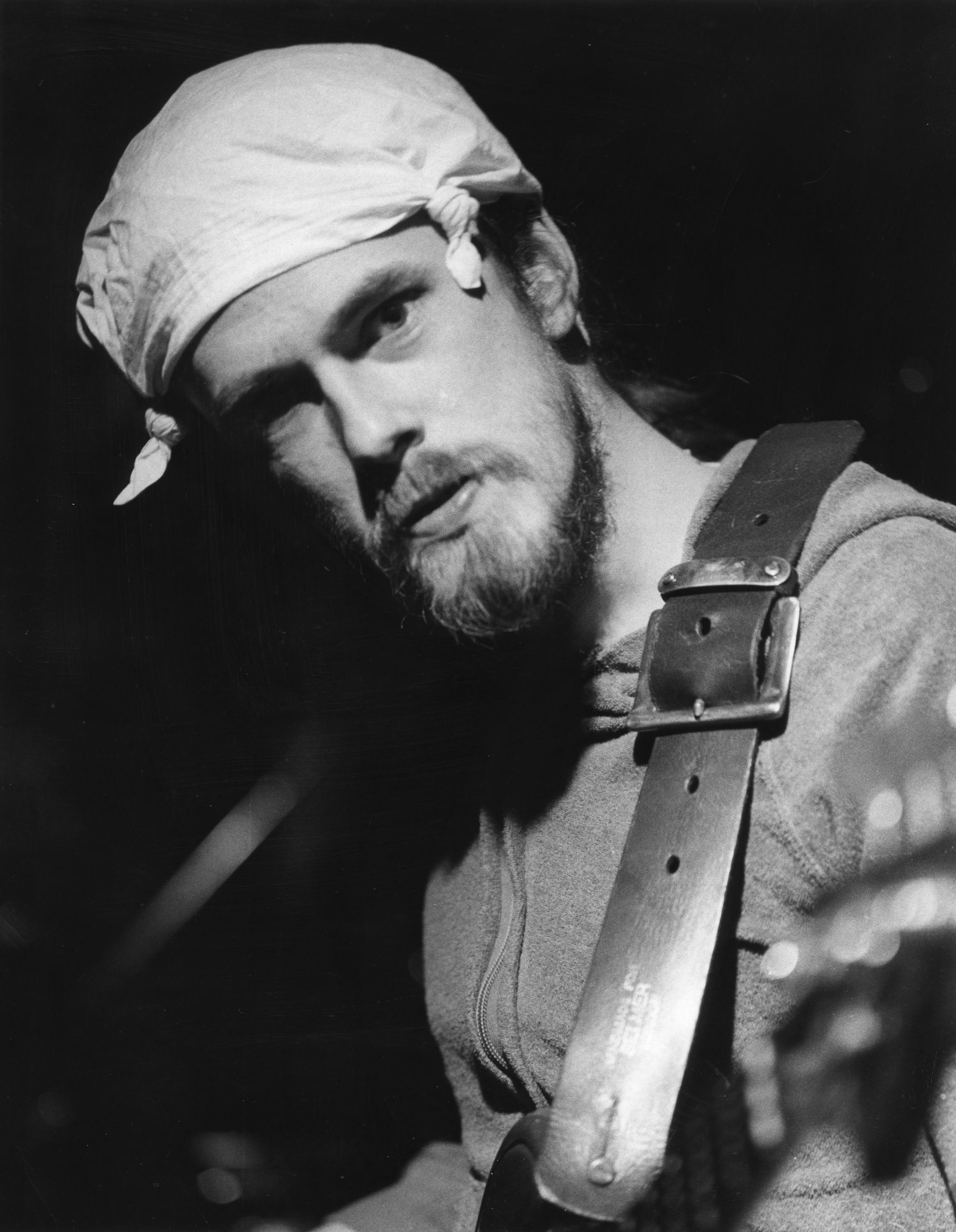
In the late 1970s he bought a sailboat to live on, allowing him to indulge his passions for scuba diving and competitive sailing. He sailed from California to Hawaii, and raced around the islands. In the mid-1980s he participated in the Fastnet Race, one of the classic big offshore races. The boat on which he was a crew member won.
For seven albums over 15 years, Dougie remained an integral part of Supertramp until 1988. When the band went on hiatus after the Free as a Bird album and tour, he was ready for new adventures and challenges. He soon plunged back into the music industry, but on the business side. His experience gave him a broad overview of what it takes to not only be in a band, but also how to make things happen in the studio, on the road, and in the boardroom. In his role as an A&R scout for publishing and record companies he was involved with many careers, most notably Moby (publishing) and the band Disturbed (management).