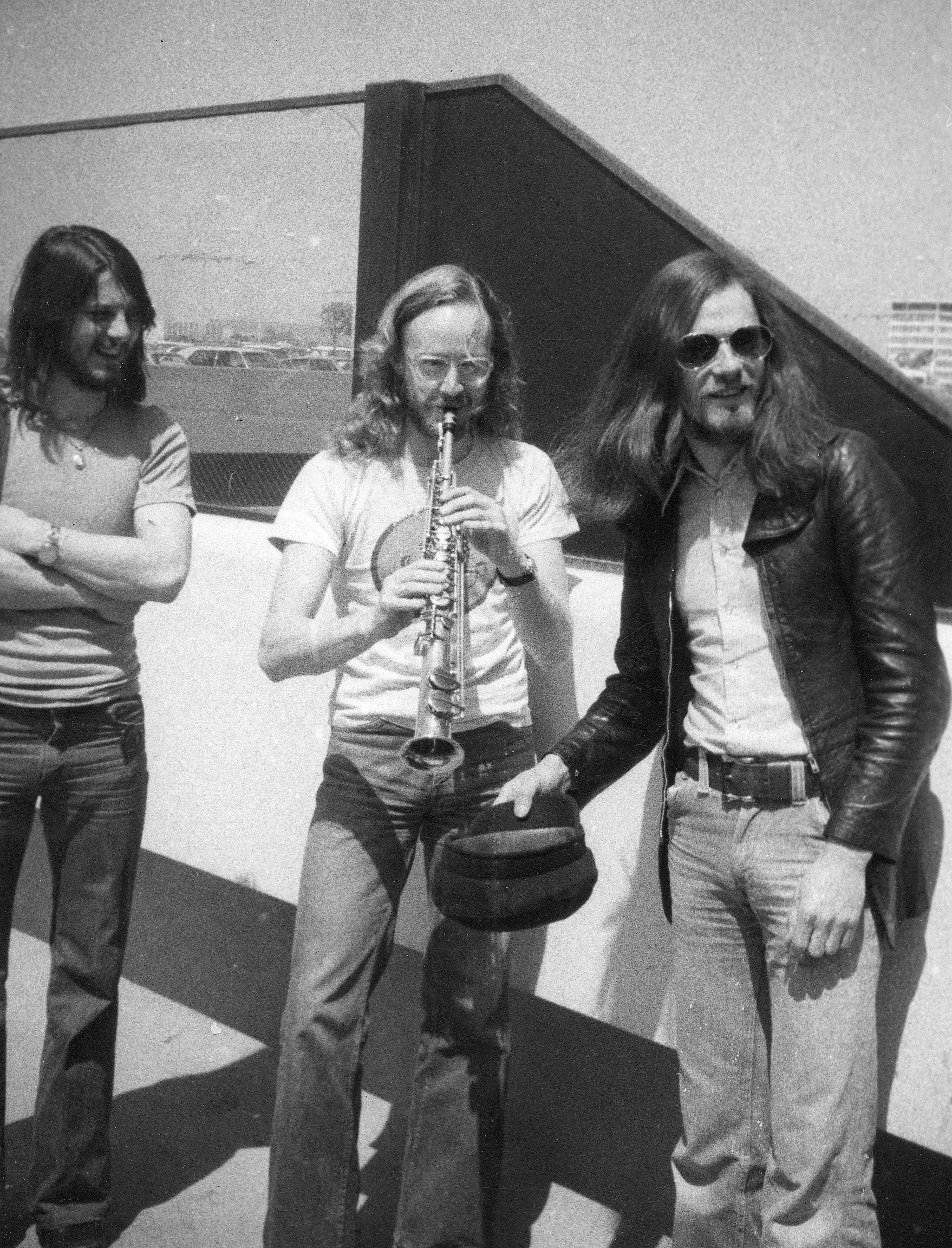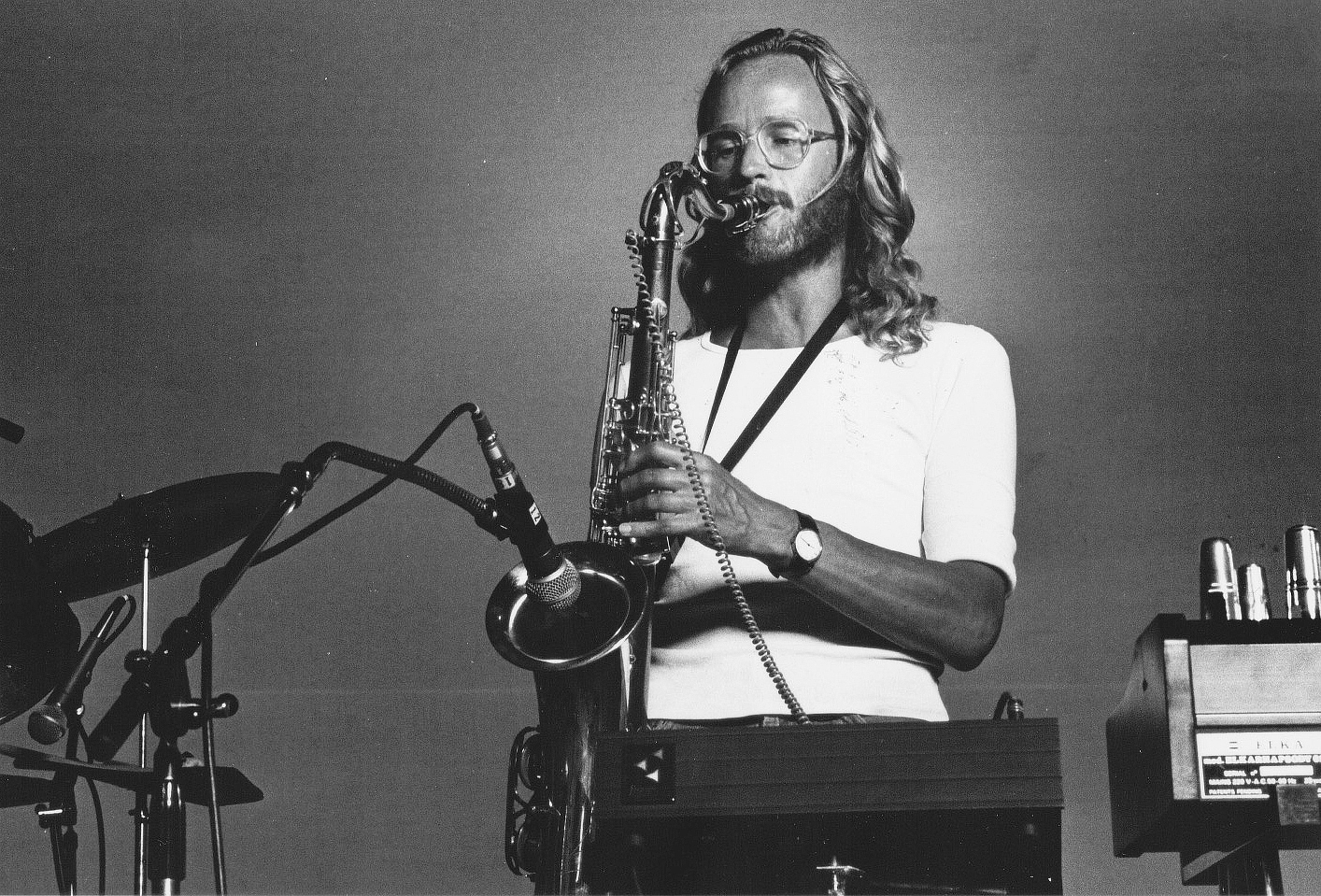
John Anthony Helliwell was born in Todmorden, West Yorkshire, England, in 1945. He sang in the church choir, and at age nine took piano lessons for a year. After hearing Monty Sunshine play "Petite Fleur" with the Chris Barber Jazz Band, John was captivated. He saved up for two years and at 13 bought a clarinet for £15.
Around this time, John was assigned a school essay on the topic "Myself in 1970." He wrote: "One great point of my appearance will be my long hair and my beard; a close-cut, slim-looking, fair beard, which will I hope attract the women. This, coupled with my 'cool' clothes and a shining golden alto saxophone will, I hope, cause quite a sensation." Little did he know that this vision of his future self would come to pass!
He listened to, and began to appreciate, modern jazz – particularly Cannonball Adderley, Sonny Rollins, Miles Davis, and Art Blakey. At age 15, he bought an alto saxophone for £35.
John entertained the idea of studying music at the Royal Northern College of Music after completing his studies, but realized he wasn't up to the standard. In August 1963 he found work in Birmingham as a computer programmer. The city had a vibrant music scene. He played in a succession of local dance and blues bands, and crossed paths with future members of Traffic, ELO, and the Moody Blues.
While in Birmingham, John went to see Tubby Hayes perform in nearby Coventry. At the interval he went downstairs to listen to the Graham Bond Organisation, which included Jack Bruce and Ginger Baker. The exciting mix of jazz and rhythm and blues shook him up, and he imagined new musical possibilities.
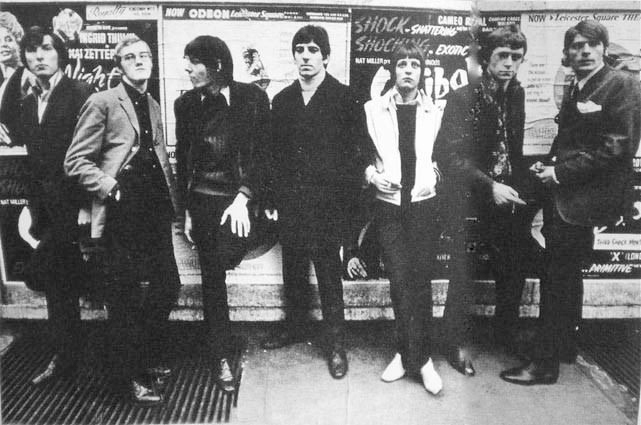
After 18 months in Birmingham, John left his job to pursue his passion – music. He moved to London and turned professional, but steady work was hard to find. He placed an ad in Melody Maker: "Have sax, will travel." In February 1966 he joined the Alan Bown Set, with whom he spent six years, recording several albums and playing thousands of gigs. Bassist Dougie Thomson joined the group in 1971, six months before its demise. Dougie and John became fast friends; they formed a band called Wizard, but that was short-lived. John had to resort to working in cabarets and strip clubs, playing music non-stop from 9 p.m. to 3 a.m. That soon became intolerable, and John toured England with visiting American soul bands, followed by a spell in Germany playing mostly US air bases.
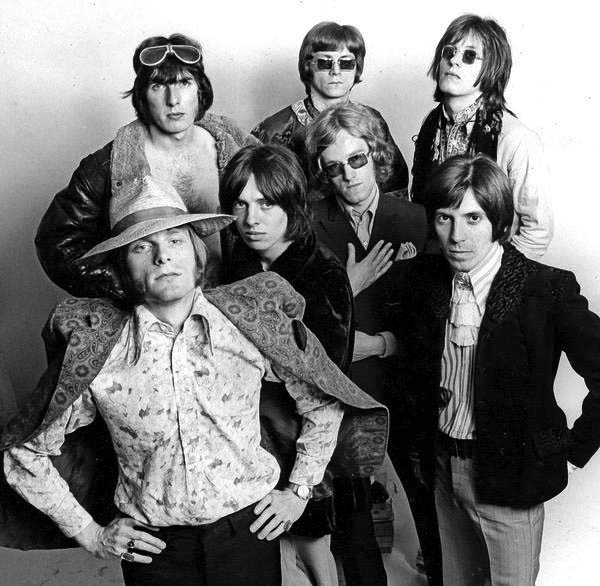
After returning home in July 1973, John got a call from Dougie, who had joined Supertramp, inviting him to come and have a blow with them. He was excited by the music, told a few good jokes, and stuck around! John brought not only his soulful musicality to the band, but also his exuberant personality and sense of humour. As no one else wanted the job, he became the band's MC.
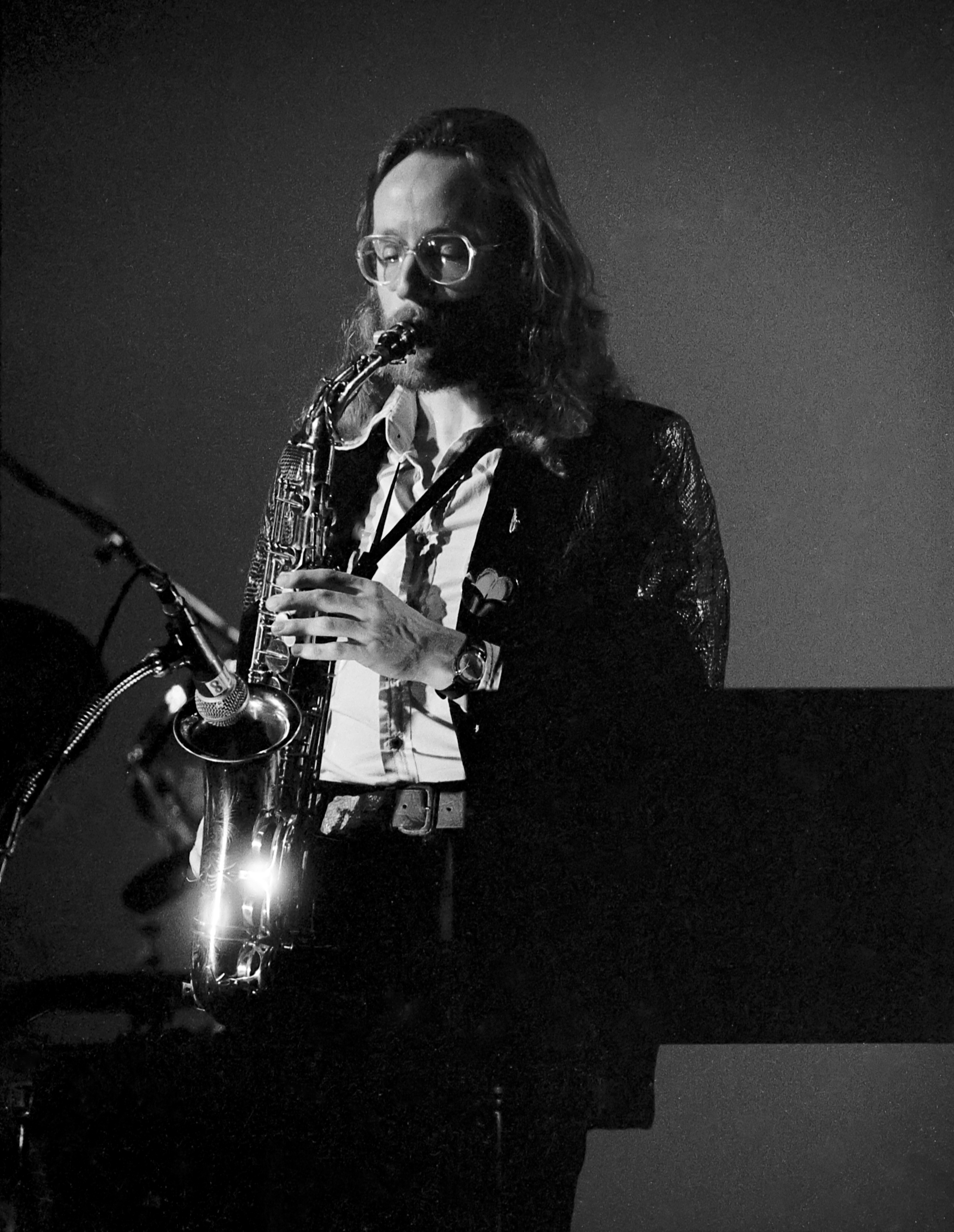
Supertramp recorded Crime of the Century in 1974 and began the long climb to international success. In 1976, John and his family moved to Los Angeles, where they lived for 18 years.
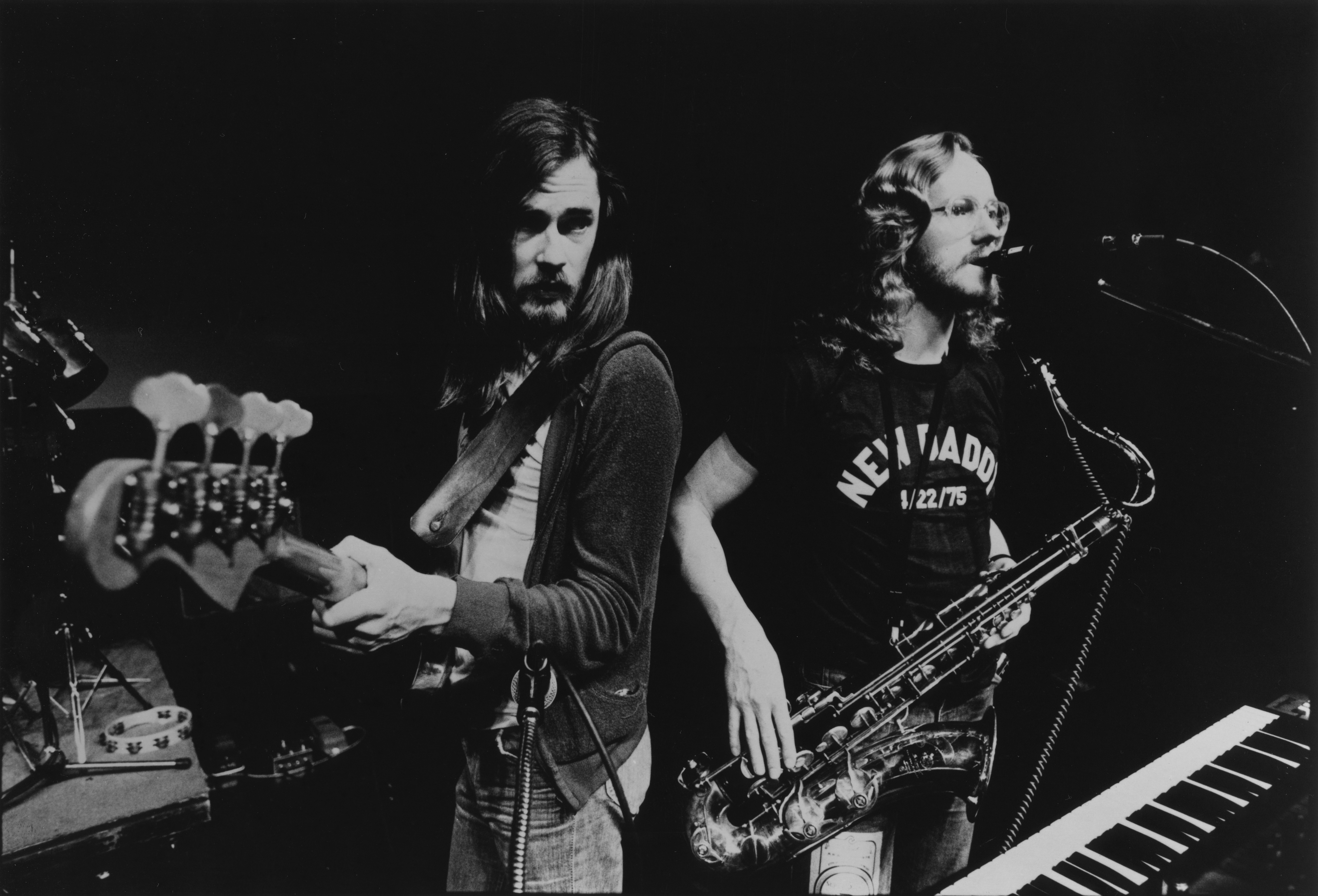
After the 1988 tour in support of Free as a Bird, Supertramp went on hiatus for a decade. John moved back to England and finally fulfilled his dream of studying at the Royal Northern College of Music in Manchester. However, his scholarly life took a back seat in 1996 when he played on Roger Hodgson's Rites of Passage album, and went on to record and tour with Supertramp again. The band's final album, Slow Motion, was released in 2002, and they last toured in 2011.
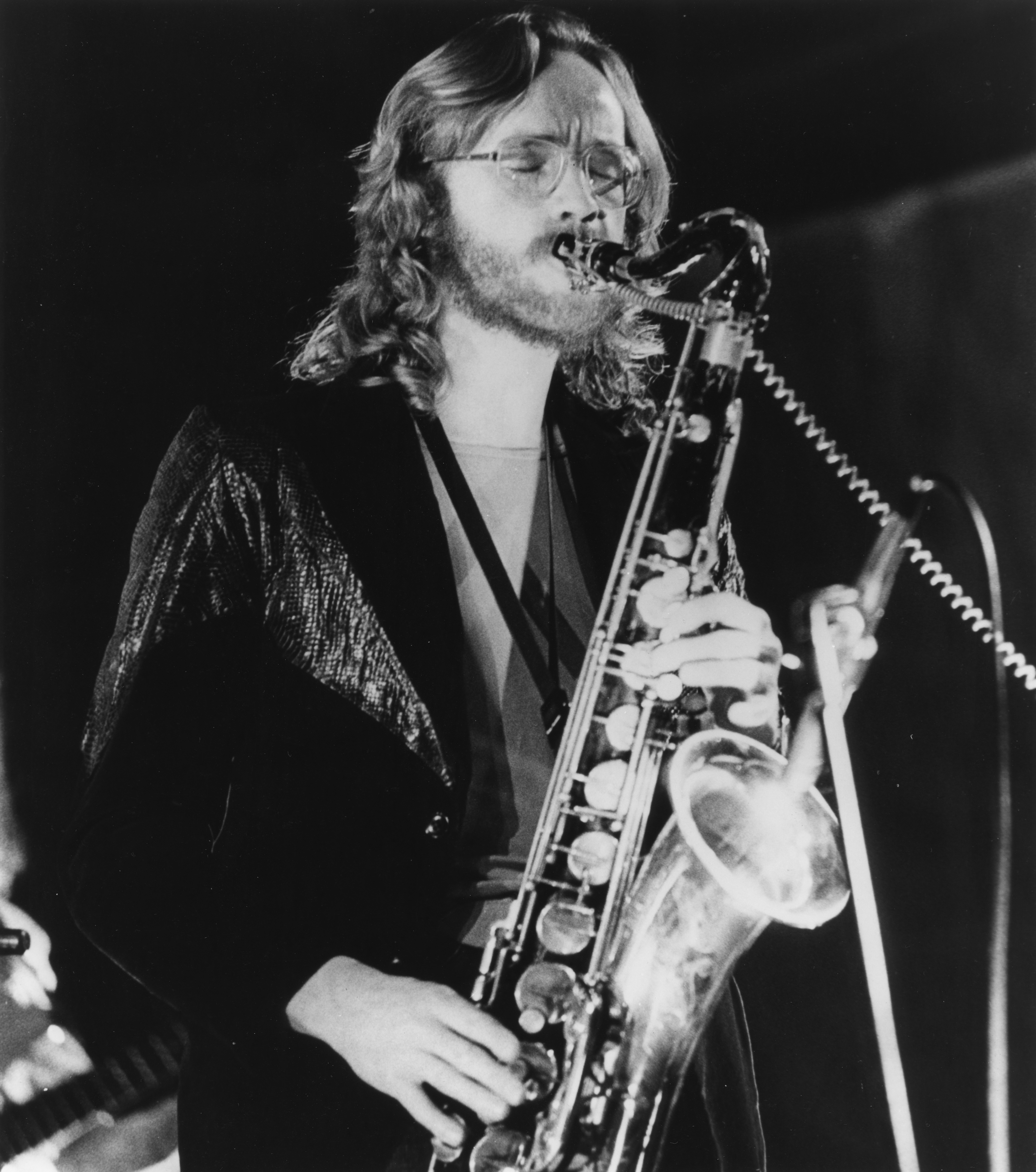
John has continued to perform and record a number of jazz albums: Crème Anglaise (2005), Esprit de Corps (2017), Ever Open Door (2020), The Bari Session (2021), Don't Ever Leave Me (2023), If We'd Known (2025), and Super Big Tramp Band (2025), big band arrangements of the Supertramp songbook.
In 2025 he published A Room With a View, a collection of photographs taken in 1977 on the Even in the Quietest Moments tour.