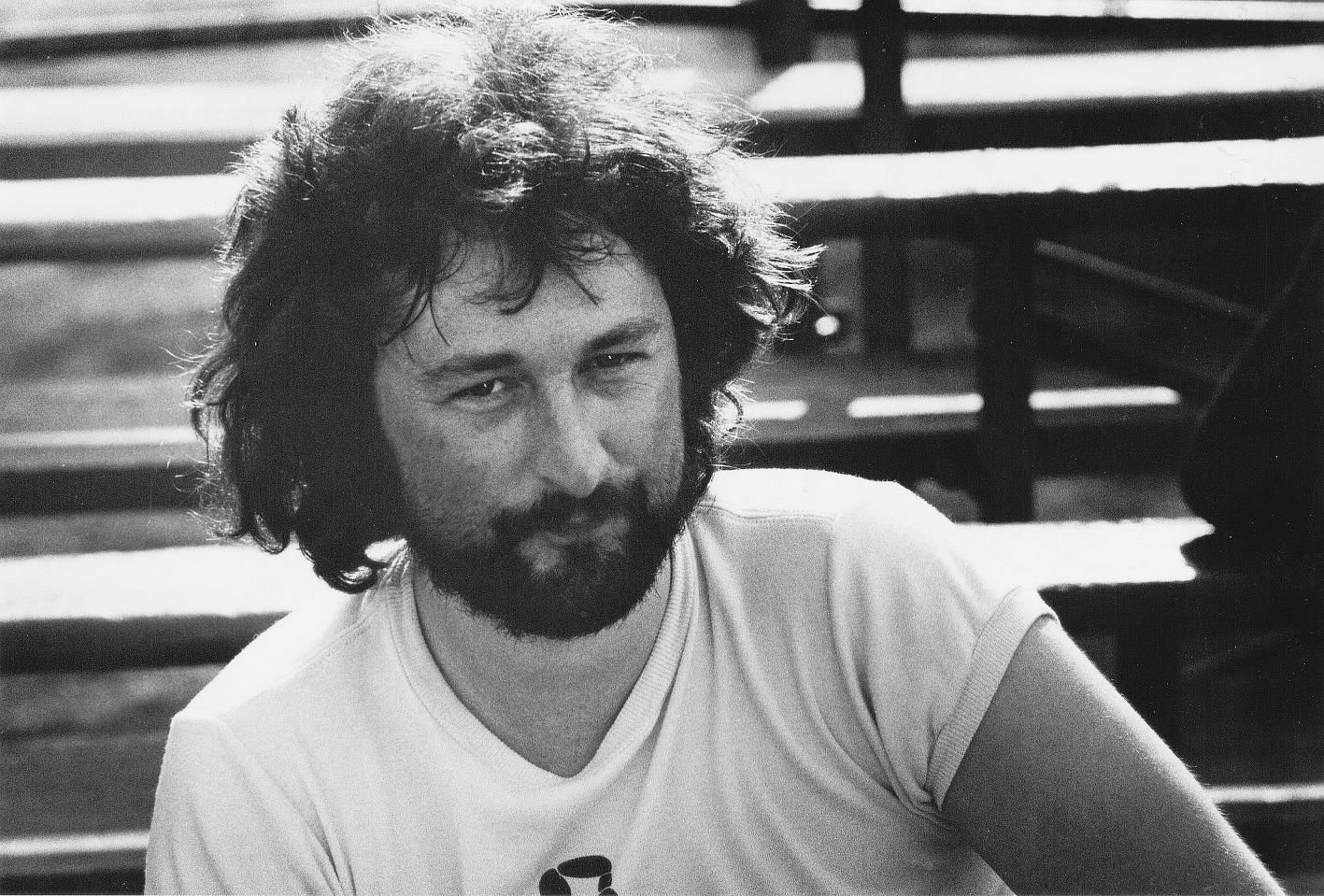
Richard Davies was the creative force behind Supertramp from the beginning, his jazzy keyboards a foundation of the band's sound.
Rick was born on July 22, 1944, in Swindon, Wiltshire, England, about 80 miles west of London. His father was a merchant seaman and his mother ran a hairdressing salon. At age eight, he heard a record by drummer Gene Krupa and "it hit like a thunderbolt." His parents eventually agreed to pay for drum lessons, and by age 12 he was good enough to play a snare drum with the British Railways Staff Association and Silver Jubilee Brass Band.
But with rock'n'roll dominating the radio, young Rick's head was quickly turned by the sounds of Little Richard and Fats Domino. Music fed Rick's creative nature, which he also fulfilled by painting. Considering a career in the visual arts, he enrolled in Swindon Art College, where he was surrounded by like-minded students.
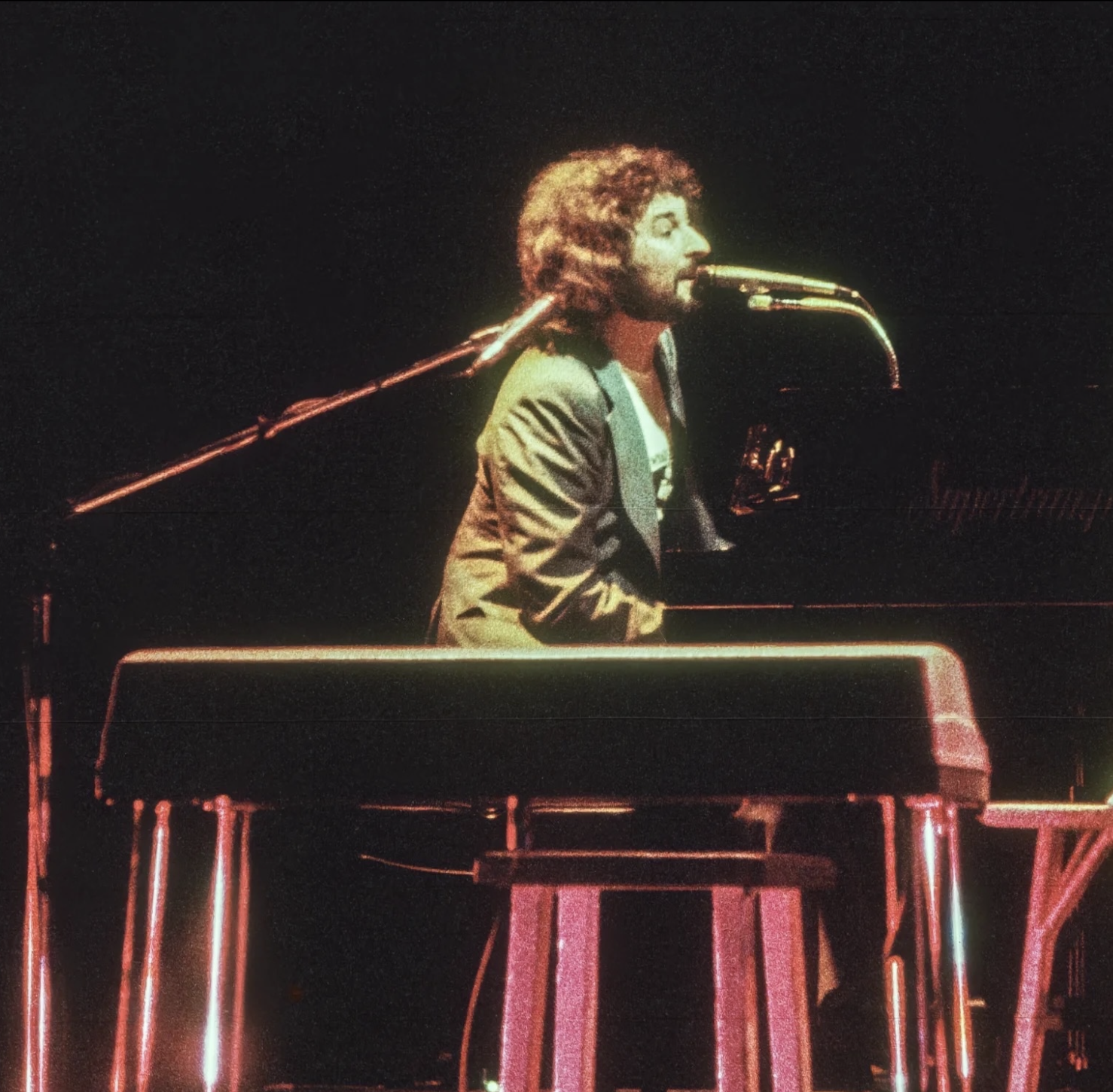
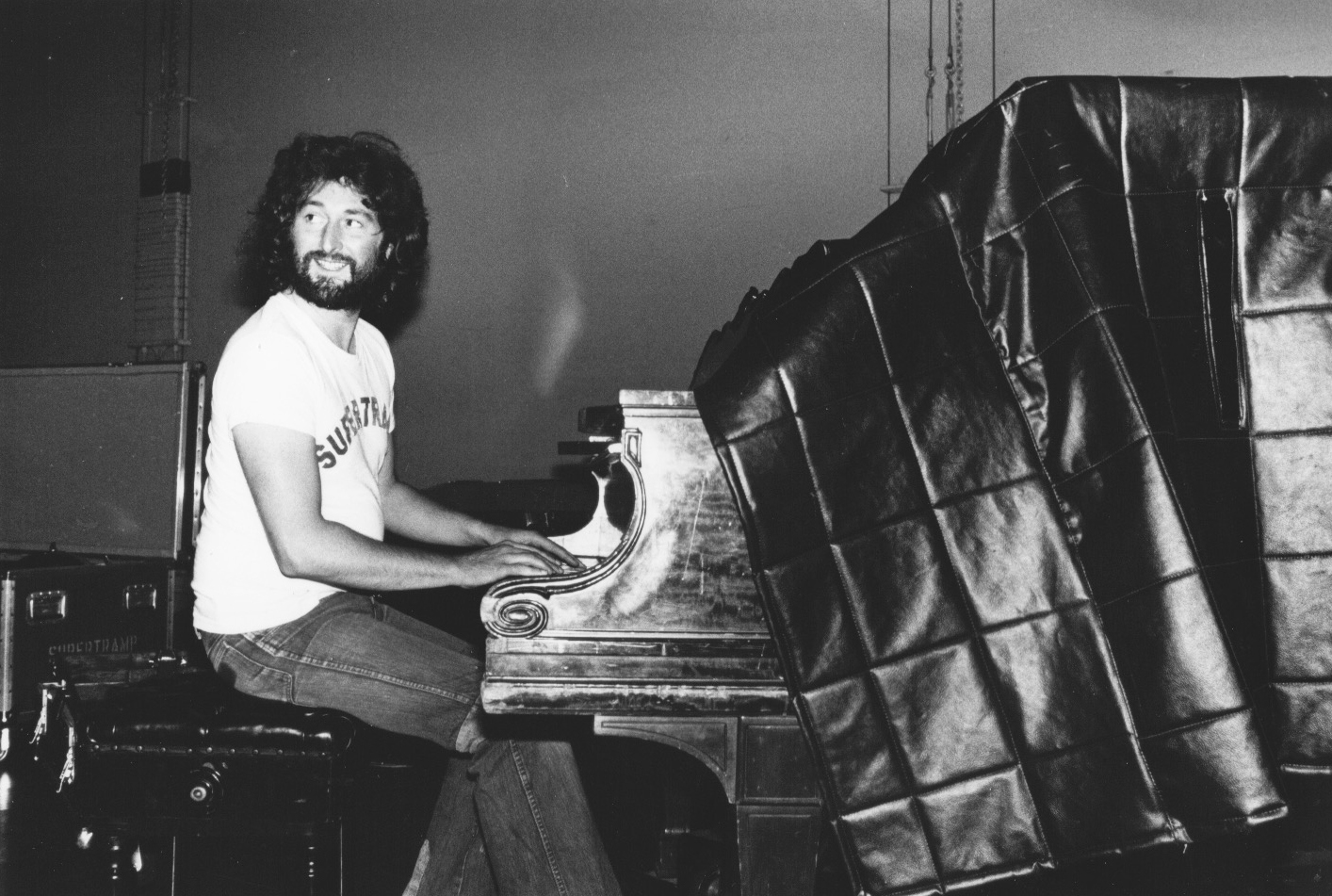
Feeling restricted by drums, he taught himself piano and harmonica to expand his musical horizons. "I really liked to play the drums, but I just couldn't get into the type of music as a drummer that I wanted to play," Rick recalled in The Supertramp Book by Martin Melhuish. "I had an old Hohner electric piano, which was the cheapest you could find."
Once he felt comfortable on keyboards, he formed Rick's Blues. One of his bandmates was fellow art student Ray O'Sullivan, who became a close friend and later had several hit records as singer-songwriter Gilbert O'Sullivan.
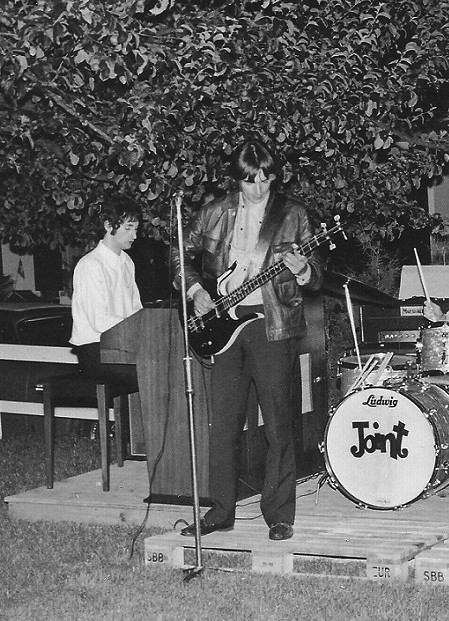
Rick was forced to leave school and briefly worked as a welder to help support his family, but in 1966 he jumped at the chance to join The Lonely Ones, a soul band co-founded by Noel Redding, who had left to play bass for Jimi Hendrix. This was Rick's first break. The Lonely Ones not only played ballrooms and clubs around England, but also gigs in France, Germany, and Switzerland. They soon changed their name to The Joint, and over the next few months found studio work, recording soundtrack music for two low-budget European films. But it was still a hardscrabble existence.
The Joint's future brightened when Dutch millionaire Stanley August Miesegaes, known as Sam, took the band under his wing and offered the financial support they needed. He bought them equipment and sustained them through lean times, although he eventually lost enthusiasm for The Joint and withdrew his support. He still believed in Rick, however, and in 1969 encouraged him to return to England and start a new group. This led Rick to place the Melody Maker ad that attracted Roger Hodgson, a posh-accented singer-songwriter from Oxford, to a chaotic audition in Shepherd's Bush.
Rick and Roger connected on a musical level despite their different backgrounds. Rick's jazz and blues roots served as a solid grounding for Roger's more spiritual, pop-rock melodies. Critics would later praise the unique Davies-Hodgson songwriting style; one New York Times article even compared their collaboration to Lennon and McCartney.
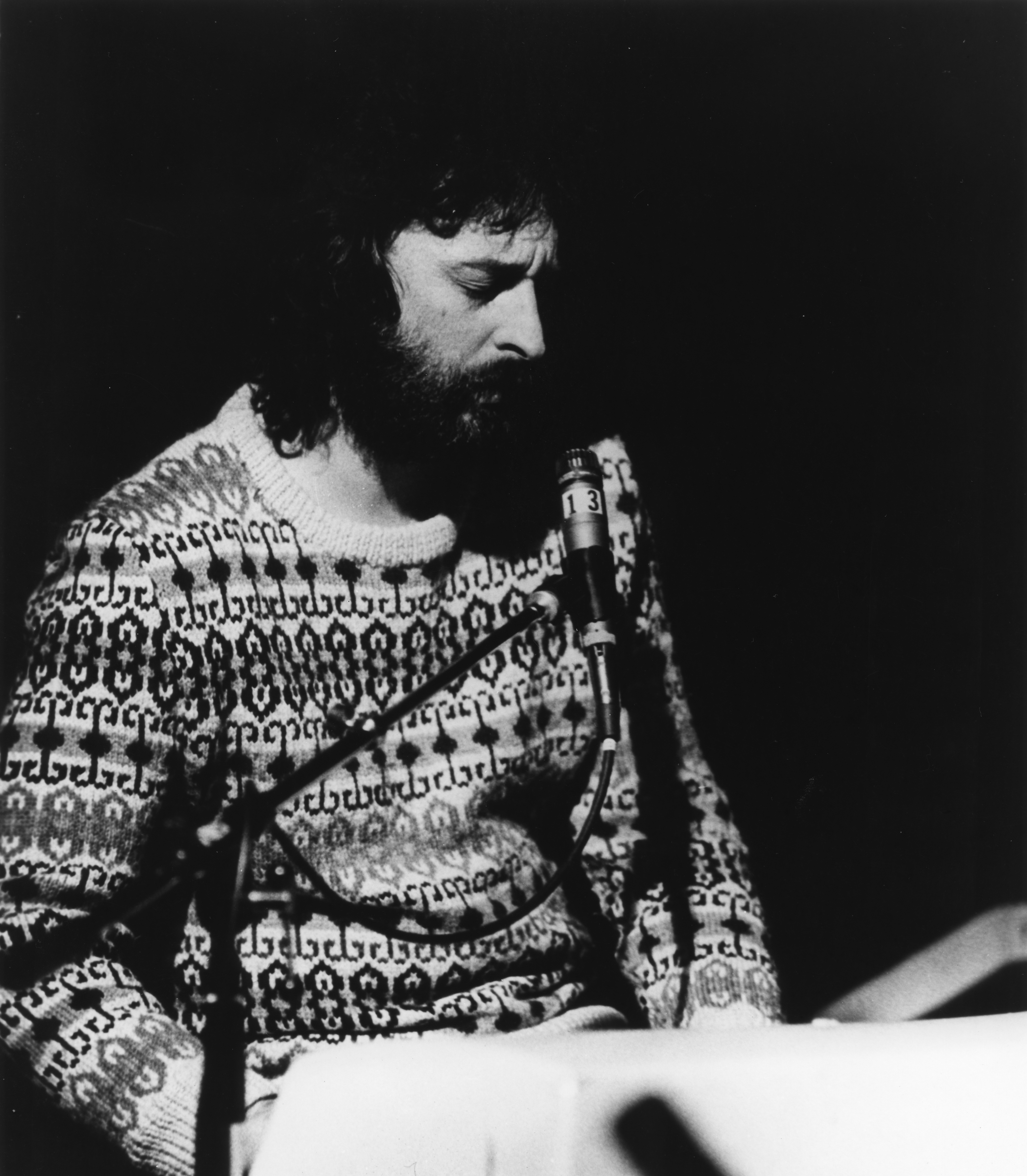
With Sam's continued support, they formed a new band. The germ of Supertramp originated under the name Daddy, but when they signed with A&M Records in 1970 and entered London's Morgan Studios to record their first album, they had changed their name to Supertramp.
Rick was initially reluctant to sing. Roger handled the vocals on the debut album, Supertramp, which went unnoticed. To change up their sound for the second album, Indelibly Stamped, Rick agreed to sing the songs he'd written, a pattern that was followed for future albums and concerts. Released in 1971, that album did no better than the first, but the blend of Rick and Roger's vocals provided just the right touch for their next project, Crime of the Century, and subsequent albums.
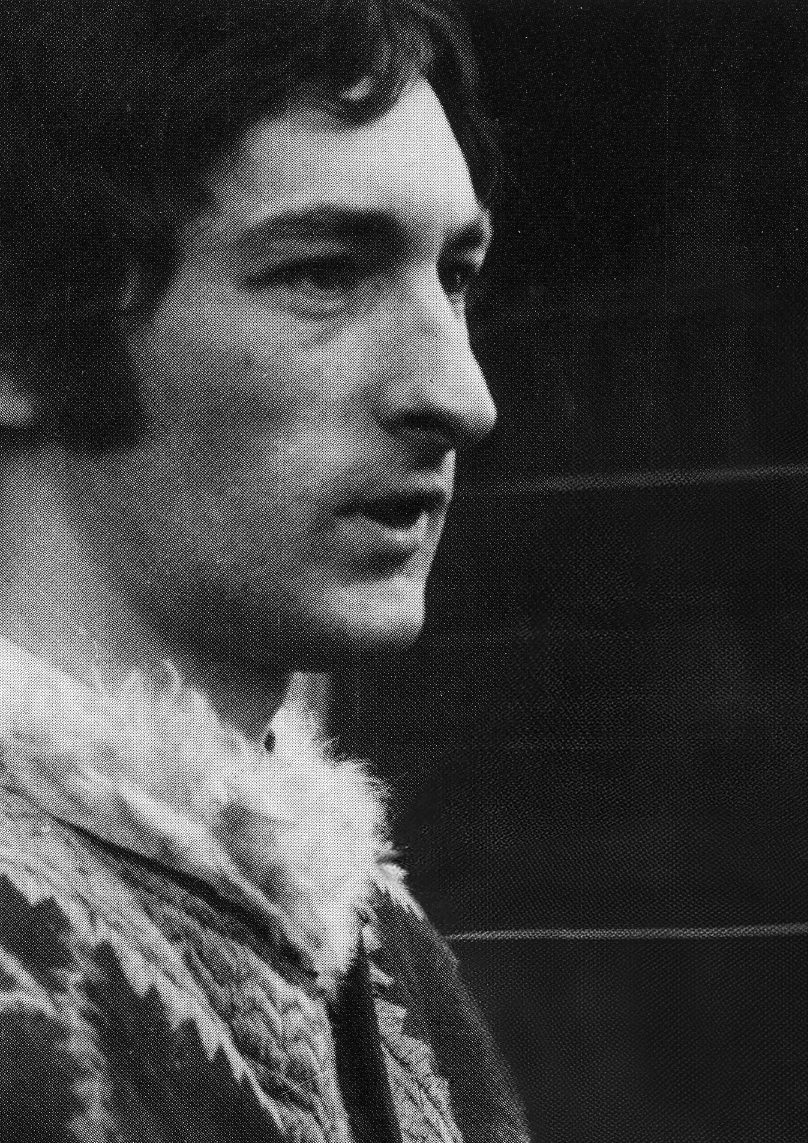
Rick remained at the Supertramp helm after Roger's departure in 1983, leading the band through four more albums – Brother Where You Bound (1985), Free As a Bird (1987), Some Things Never Change (1997), and Slow Motion (2002) – and several tours. He settled in East Hampton, New York, in the 1990s, where he continued to paint and pursue his passion for blues and 50s and 60s hard-bop jazz. Supertramp's final tour was cancelled in 2015 when Rick was diagnosed with multiple myeloma. Billed as Ricky and the Rockets, he managed to play a few gigs at a local club, mostly blues standards and Supertramp tunes. He passed away at age 81 on September 6, 2025.
* * * *
Donations in Rick's memory can be made to:
Weill Cornell Medical College
J. Michaeli Multiple Myeloma Fund, in Memory of Rick Davies
Weill Cornell Medicine Office of External Affairs
P.O. Box 22497, New York, NY 10087-2497