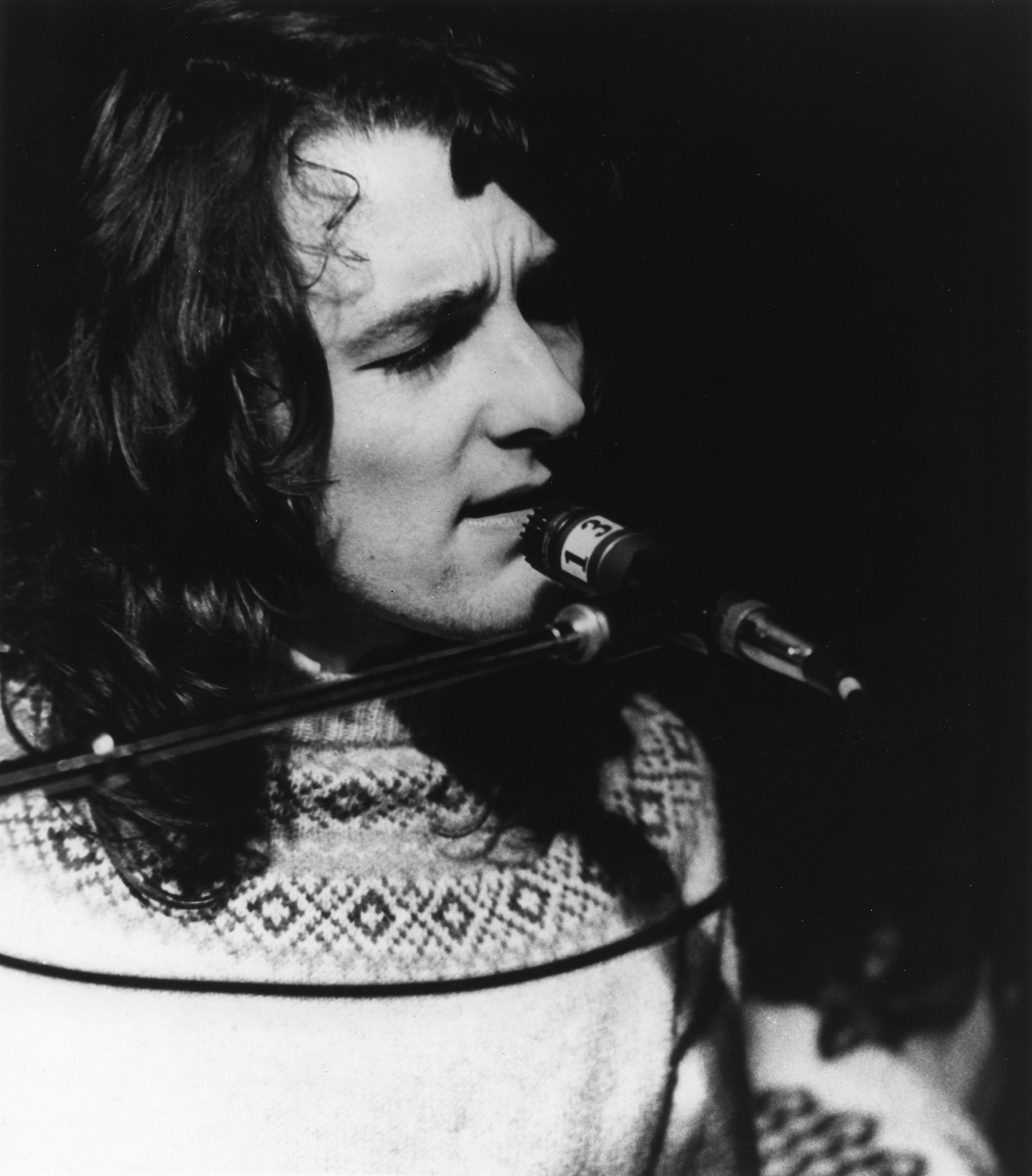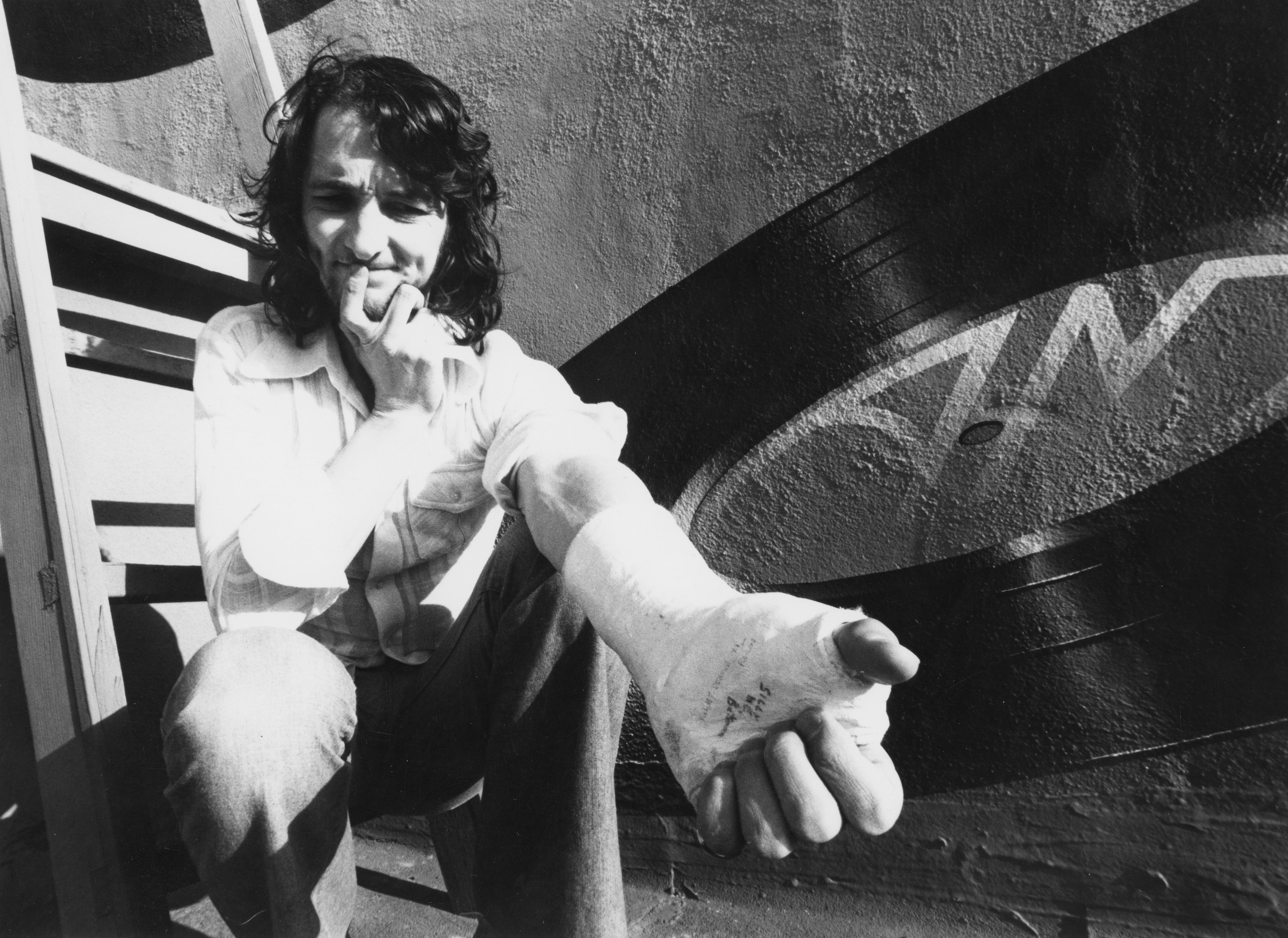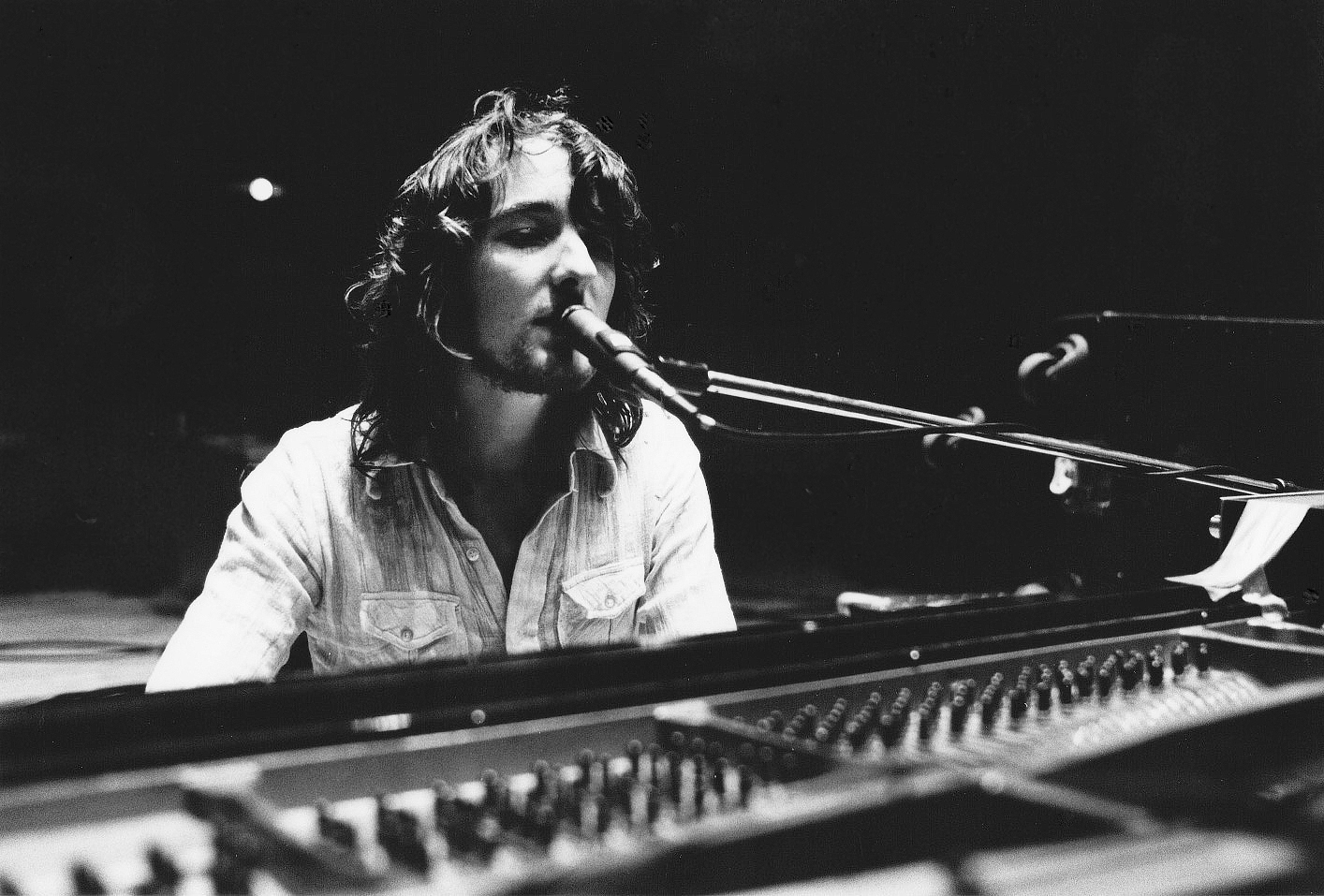
Roger Hodgson was born on March 21, 1950, in the naval town of Portsmouth, Hampshire, England. He grew up near Oxford, but spent much of his childhood at boarding school.
Roger was 12 when he got his first guitar and he took to it immediately. One of his teachers taught him a few chords, and he began writing his own songs. He found that the words and music came naturally, and at age 13 he performed a concert of his original material.
"Music got me through childhood," Roger recalled in The Supertramp Book by Martin Melhuish. "The whole idea of becoming a musician when I left school sustained me through the trials of being a teenager at a boarding school."
Upon completing his studies, Roger answered an ad in Melody Maker and joined People Like Us. They recorded a single titled "Duck Pond" for Decca Records that was released in 1969, but it failed to attract attention. Undaunted, People Like Us made the rounds of the record companies in London dropping off copies of their five-song demo that they'd had pressed on vinyl.
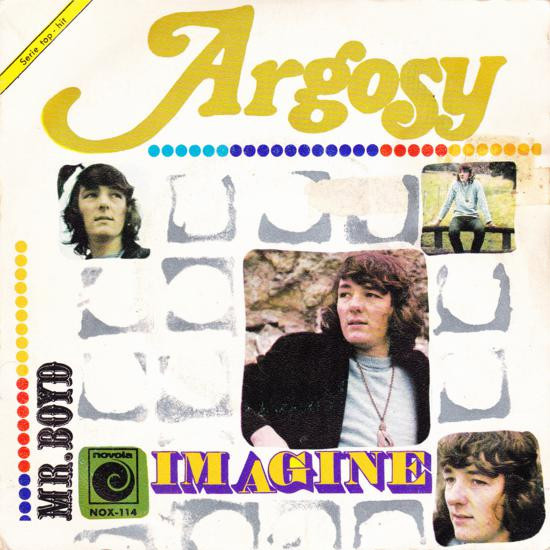
Island Records liked what they heard, but zeroed in on Roger, arranging for him, under the name Argosy, to record his song "Mr Boyd" with session musicians, including Elton John. But success once again proved elusive.
He kept plugging away, and soon found himself heading down to an audition in London in response to a Melody Maker ad placed by Rick Davies. Roger sang Traffic's "Dear Mr. Fantasy," but it didn't go well. Discouraged, he returned to Oxford, but his mother urged him to go back the next day to show that he was serious. He did, and ended up bonding with Rick Davies at a Shepherd's Bush pub during a break in the auditions.
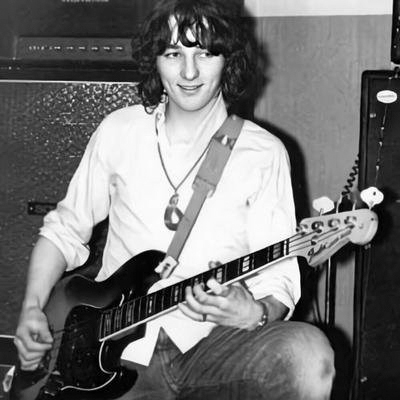
Rick's jazz and blues roots complemented Roger's pop-rock songs, and the two quickly realized that their respective styles created an interesting chemistry – the nucleus of what would become the unique Supertramp sound. Soon A&M Records was showing interest in this new collaboration.
The first album, Supertramp, was released in 1970. It fused elements of folk, jazz, and progressive rock and featured Roger as sole lead vocalist. Once more, the record yielded diminishing returns. Roger convinced a reluctant Rick to join him on vocals for their second album, Indelibly Stamped, but it didn't fare any better.
Luckily Roger and Rick had a collection of songs in their repertoire yet to be recorded – the basis for Crime of the Century. A&M's Dave Margereson thought the new demos showed promise. He went to see the band live several times and liked them, especially the new songs, "Dreamer" and "Bloody Well Right." It proved to be the break they needed, finally providing them the support and enthusiasm to hone and record what many consider Supertramp's masterpiece.
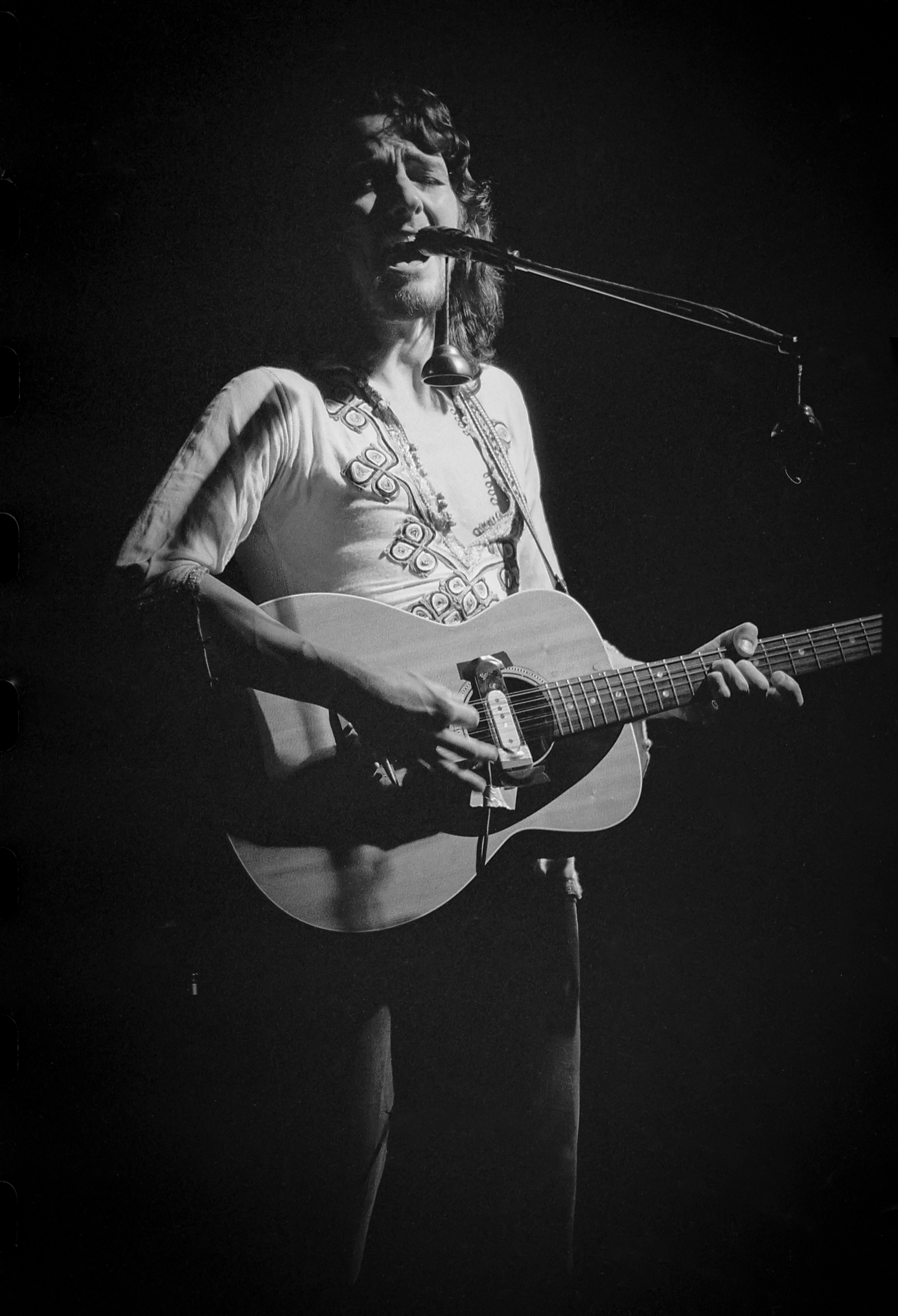
The worldwide success of Crime of the Century meant there would be no looking back. Over the next nine years Roger brought his unique talent to the creation of five more albums: Crisis? What Crisis?, Even in the Quietest Moments, Breakfast in America, Paris, and Famous Last Words. But he was a self-styled "dreamer" with a restless interest in spirituality, and in 1983 announced that he was leaving the band after the Famous Last Words tour to pursue a solo career.